
How Contractors and Tradespeople Get More Jobs
For a lot of contractors, the problem isn't a lack of leads. It's that the homeowner has three names and no way to tell which one will show up, do it right, and leave the place clean.
The short answerCall back the same day, show up when you said, and put every estimate in writing with what is and isn't included. Treat each job site as an ad, ask for the review at the final walkthrough, and build relationships with other trades and suppliers who send work your way.
Ads and lead services can fill a calendar for a while, but the trades that stay busy year after year tend to run on word of mouth. Word of mouth is not luck. It's built from small habits homeowners notice precisely because they don't always get them.
Call back. Today.
In the trades, returning calls is a competitive advantage, which tells you something about the bar. A homeowner with a leaking pipe or a half-finished bathroom is usually calling more than one person. The one who calls back the same day — even just to say “I can come look Thursday” — is the one who gets to quote. If you're on a roof all day, set a time to return calls and keep it. And if you can't take the job, say so and name someone who can; a quick, honest no is remembered far better than silence.
Show up when you said you would
Give a window you can actually hit. If you're going to be late, text before the window starts, not after it ends. Homeowners take time off work to meet you; being on time is the first proof you'll treat their house with the same respect. The small courtesies count the same way: asking where to park, covering floors before you walk through, and telling the homeowner before you leave what happened today and what happens next.
Write estimates people can understand
A number scribbled on the back of a card invites an argument later. A written estimate that spells it out wins jobs and prevents disputes:
- What's included, line by line, and what isn't
- Materials, with the grade or brand where it matters
- Who pulls the permits, and that the work will be done to code
- Timeline, payment schedule, and what happens if something unexpected turns up behind a wall
Offering two or three options at different price points lets a customer choose between your options instead of comparing you against someone else's number.
Have your license and insurance ready
Careful homeowners ask for your license number and proof of insurance, and the careful ones check. Have both ready to send. Licensing rules vary by state, city and trade, and in many places your license number has to appear on your ads, your estimates or your truck — know your local rules and follow them. Being the contractor who brings it up first is a quiet way to stand out.
Treat the job site as your best ad
Every job is watched by the neighbors. A clean site, a protected driveway, materials stacked neatly, a crew that's polite to the person walking their dog — that's marketing. So is a lettered truck and, with the homeowner's permission, a yard sign. When a neighbor wanders over to ask who's doing the roof, that's the warmest lead you'll get all year. Stop and talk to them.
Photograph everything, ask for the review at the walkthrough
Take before, during and after photos on every job, with the homeowner's okay — they're your portfolio, your record, and the answer to “have you done one like mine?” Then ask for the review at the final walkthrough, while the customer is looking at the finished work and liking it. Make it one step: a direct link to wherever you collect reviews, sent while you're still standing there.
Build a network of other trades
A plumber gets asked about electricians. An electrician gets asked about drywall. The counter at the supply house knows who's busy and who's good. Property managers and real estate agents need reliable people all the time. Refer people you've seen do good work and they'll send work back. Stay in touch with past customers too: a seasonal maintenance reminder or a check-in after the first big storm keeps you as their contractor instead of a name they've lost.
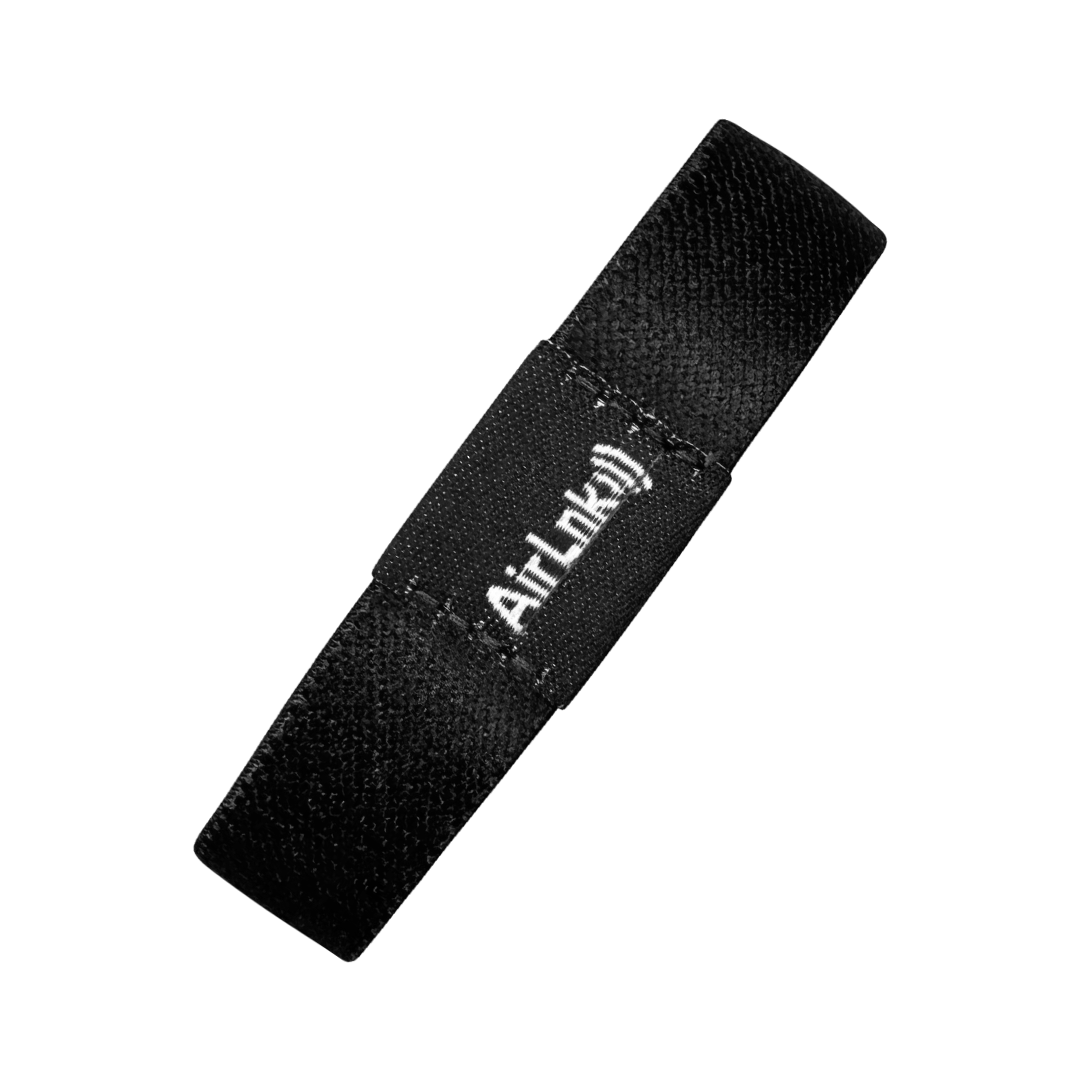
For the moment on the job site specifically: the neighbor walks over while you're on a ladder with gloves on and a drill in your hand, and your cards are in the truck. An AirLnk wristband is a woven fabric band that stays on your wrist, with nothing to charge. Your wrist stays still; they bring the top back of their unlocked, NFC-enabled phone close to the patch, tap the notification, and your profile opens in their browser — your number, photos of past work, your reviews page. They choose what to save, and no app is needed on their side.
AirLnk FAQ
How do contractors get more jobs without paying for leads?
By building word of mouth on purpose: call back the same day, show up on time, write clear estimates, keep job sites clean, ask for reviews at the walkthrough, and trade referrals with other trades.
When should a contractor ask for a review?
At the final walkthrough, while the customer is looking at the finished work. Send a direct link right then so it takes one step.
Does my license number need to be on my advertising?
In many places it does, but the rules vary by state, city and trade. Check with your local licensing authority.
What should a contractor's estimate include?
The scope line by line, what isn't included, materials, permits, timeline, payment schedule, and how hidden problems will be handled.