
How to Make a Memorable First Impression at a Networking Event
A first impression at a networking event isn't made by a clever line. It is made by small, physical things — where your hands are, whether you're looking at your phone, how you end the conversation — and by one specific detail that gives them something to remember.
The short answerBe easy to approach, specific about what you do, and genuinely interested in the other person. Keep your hands free, use their name, have a one-line introduction narrow enough to picture, end the conversation on purpose, and make sure they leave with an easy way to find you.
Look approachable before you say anything
People decide whether to walk up to you from across the room. Phone in your pocket, not in your hand. Stand near the flow of people, not in a corner. If you are in a group, keep it loose, with a gap someone can step into, rather than a closed circle.
Hold your drink in your left hand so your right hand is dry and free for a handshake. It is a small thing that people only notice when it's wrong. The same goes for a plate of food: eat first, then work the room, rather than juggling both.
If there are name tags, wear yours on the right side of your chest, where the other person's eyes go when you shake hands, and write your first name large enough to read from a step away.
Lead with something specific
“I'm in real estate” is forgettable because it describes a huge number of people. “I help families sell the house they've lived in for thirty years” is a picture. Have one line ready that is narrow enough for the other person to see.
It doesn't have to be impressive. It has to be concrete. Concrete is what memory holds onto.
Then turn it around quickly. Your line should take ten seconds, not two minutes, and it should end with a question back to them. The best first impressions are short on the speech and long on the listening.
Use their name, once or twice
Say their name back when you meet — “Good to meet you, Jordan” — and once more when you leave. It helps you remember it, and it tells them you were paying attention. If you missed it, ask again straight away. “Sorry, I didn't catch your name” is fine in the first minute and awkward in the tenth.
If the name is unusual, ask how it's spelled or where it comes from. People rarely mind that question, it fixes the name in your memory, and it shows an interest in them that has nothing to do with what they can do for you.
Give your full attention for a few minutes
At a crowded event it is common to talk to someone while scanning the room for the next conversation. Being the person who doesn't do that stands out on its own. Face them, keep your phone away, and ask a second question about whatever they answer.
You don't need to be the most interesting person in the room. You need to be the one who was actually listening.
End it well
People remember how things end. Don't let a good conversation fade until one of you drifts off awkwardly. After a few good minutes, close it on purpose:
- Pick up one thing they said: “Good luck with the launch next month.”
- Make the exchange: “Let me give you my details.”
- Leave: “I'm going to say hi to a few more people — really glad we met.”
A clean exit makes the whole conversation feel better in hindsight, and it frees them to meet other people, which they will appreciate.
Make the handoff smooth
The worst ending to a good conversation is thirty seconds of digging: the card is in the other jacket, your phone needs unlocking, you spell your email twice. Decide in advance how you share your details, keep it within reach, and make it carry more than a phone number — your work, your photo, the one link you most want them to open.
Whatever you hand over, check that it worked. “Did that come through?” costs nothing.
Follow up while it's still fresh
The impression you made in the room fades quickly. A short message the next day — where you met, one detail from the conversation, one small next step — is what turns a good first impression into a second conversation. Without it, even a great first meeting usually goes nowhere.
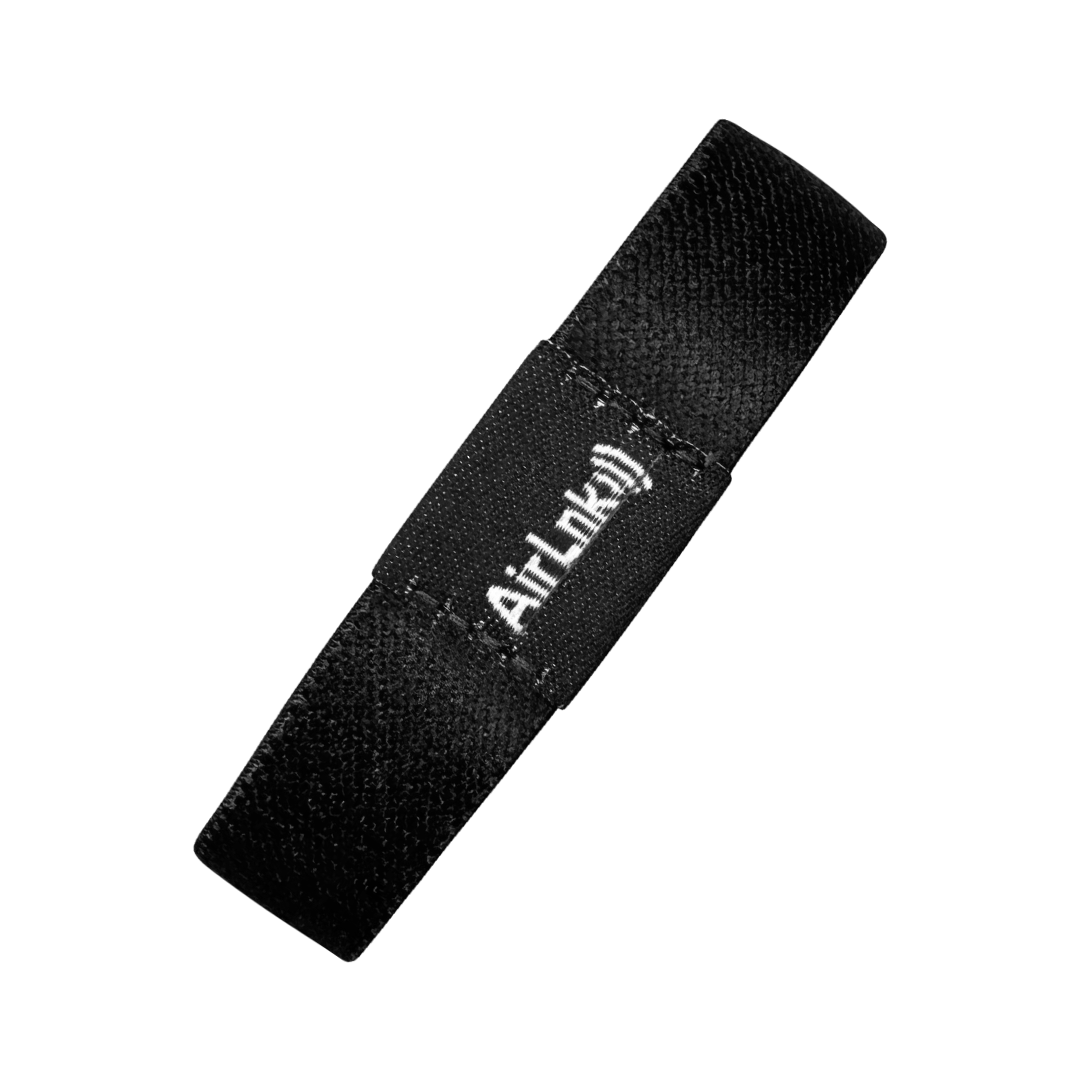
For the handoff, an AirLnk wristband is already on your wrist when the conversation ends: the other person brings the top back of their unlocked phone close to the woven fabric band, taps the notification, and your profile opens in their browser with your photo and links.
AirLnk FAQ
How do you make a good first impression at a networking event?
Keep your phone away and your hands free, introduce yourself with one specific line, use the other person's name, give them your full attention, and end the conversation on purpose with an easy way to find you.
What should I say when introducing myself at a networking event?
Your name and one specific sentence about what you do — narrow enough that the other person can picture it.
How long should a networking conversation last?
A few good minutes is usually enough. End it on purpose rather than letting it fade.