
How Real Estate Agents Capture Leads at an Open House
An open house is the rare marketing event where buyers, neighbors and future sellers walk through your door on their own. Whether any of them become clients usually comes down to the first ten seconds at the door and the next forty-eight hours.
The short answerPrepare like it's a listing appointment, invite the neighbors, and greet every visitor the same way. Ask for contact details instead of demanding them, give people something worth leaving an email for, and follow up within a day with exactly what each person asked about, by the channel they chose.
Here is how agents turn an open house into conversations that continue — while respecting the people walking through, and the rules you work under.
Know the house and the area cold
Visitors test you with questions: taxes, HOA dues, utility costs, the age of the roof, what the house down the street went for. Answer from facts, and know where to point people for the rest. Walk the house that morning: lights on, temperature comfortable, and anything that sticks or squeaks noted, so you can speak to it before a visitor finds it. On schools or who lives in the neighborhood, give facts and official sources rather than opinions — fair housing rules apply at an open house the same as anywhere else.
Invite the neighbors first
Neighbors are some of the most useful visitors you'll get. They're curious what the house is listed for, they know people who'd like to live on their street, and some of them are quietly thinking about selling. Knock on doors or drop off invitations a few days ahead, and consider a neighbors-only preview hour. A neighbor who enjoyed talking to you is a listing conversation you didn't have to chase.
Greet everyone the same way
Stand near the door, introduce yourself, give the one-sentence version of the house, and let people look. Ask every visitor the same few questions in the same way; consistent treatment is good service and part of fair housing practice. Then give them room. Hovering moves people out the door faster than a bad floor plan. And plan for your own safety: you're alone in an empty house with strangers, so tell your office when you start and finish, keep your phone on you, and bring a colleague when you can.
Ask for details. Don't demand them.
Visitors who feel forced to sign in tend to write fake numbers. Say why you're asking — the sellers like to know who came through, it's part of keeping the house safe, and you'd like to send updates if the price changes — and make it easy, on paper or a tablet. Let people choose what to give and how they'd like to be contacted, and accept “just looking” with a smile. One real email from a willing visitor is worth more than a page of made-up ones.
Ask the right questions, including the awkward one
You do need to ask whether they're already working with an agent. If they are, respect that relationship; your professional obligations and your brokerage expect it. For everyone else, better questions start real conversations: what would make this house perfect, what's missing from where you live now, what's your timeline? Listen more than you pitch.
Have something worth taking — and know your rules
A property sheet with the real details, a list of other open houses nearby that weekend, a short guide to the neighborhood — give people a reason to leave their email. And know your rules before the doors open: what your state requires you to disclose about who you represent, what has to be in writing before you work with a buyer, and what must appear on your marketing, such as your brokerage's name. Rules vary by state, so check yours rather than relying on habit.
Follow up within a day, on their terms
Send each visitor exactly what they asked about — the HOA documents, the disclosures if the seller allows it, a listing that fits them better — by the channel they chose, within a day. Text only people who agreed to texts, and honor do-not-call rules and anyone who asks you to stop. Write your notes on each visitor that same evening, while you can still tell the couple who loved the kitchen from the couple worried about the commute. A specific follow-up gets an answer. A generic newsletter signup gets ignored.
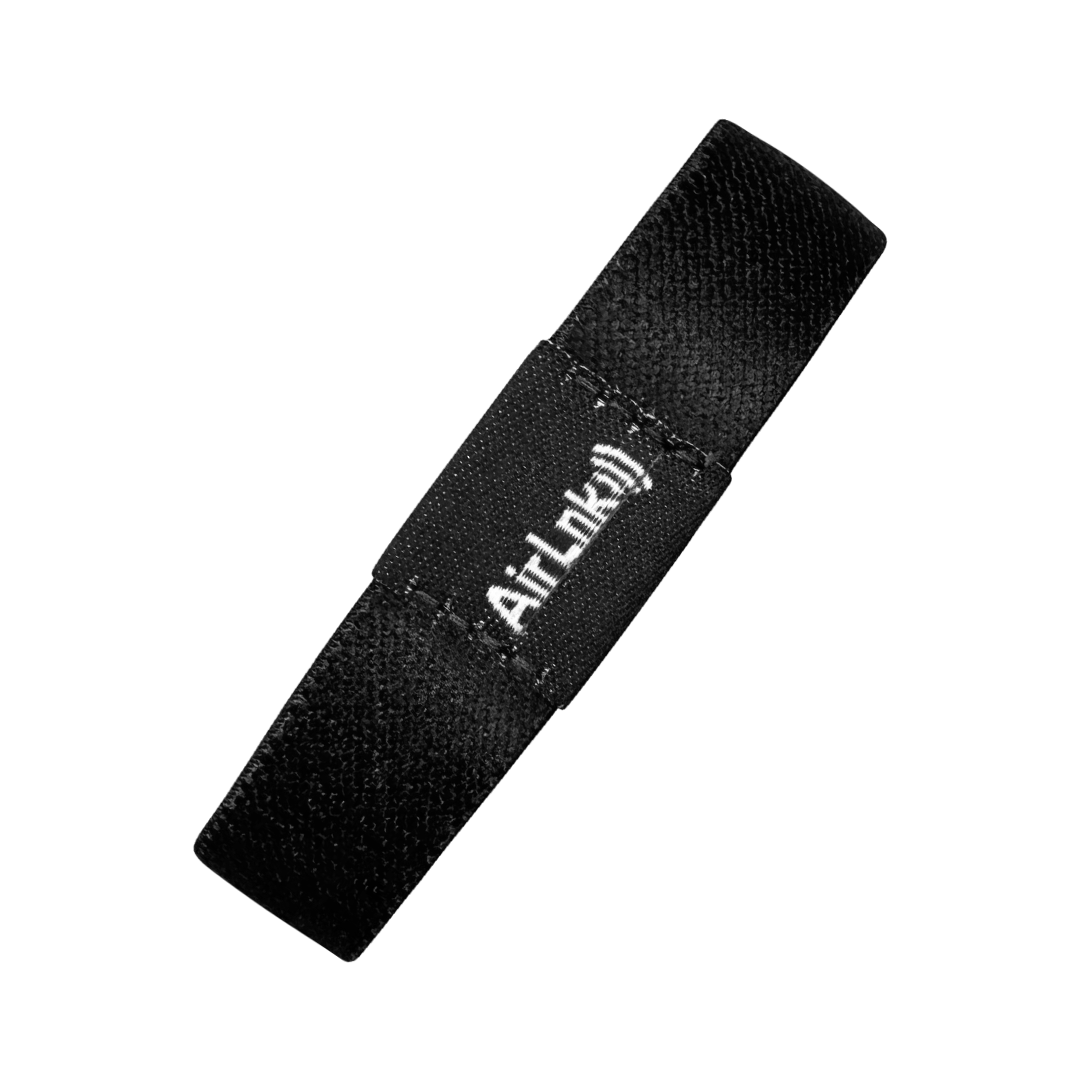
For the moment at the door specifically: you're holding the door, a stack of property sheets and the sign-in tablet when a visitor asks for your number. An AirLnk wristband is a woven fabric band that's already on your wrist. Your wrist stays still; they bring the top back of their unlocked, NFC-enabled phone close to the patch, tap the notification, and your profile — this listing, your other listings, your phone and email — opens in their browser. It shares your details, not theirs, and they choose what to save, so the sign-in and the conversation still do the lead capture.
AirLnk FAQ
Should I require visitors to sign in at an open house?
Ask, explain why, and make it easy, but let people choose. Visitors who feel forced often leave fake details, and a willing contact is the only kind worth following up.
What should I ask open house visitors?
Whether they already work with an agent, and if not, what would make a home right for them, what's missing where they live now, and their timeline. Ask everyone the same questions.
How soon should I follow up after an open house?
Within a day, with exactly what the visitor asked about, by the channel they chose, and only by text if they agreed to texts.
Why invite neighbors to an open house?
They know people who want to move to the area, and some are thinking about selling. A good conversation with a neighbor can become a future listing.