
How Bartenders and Servers Get Better Tips
Tips feel like luck on a slow night and like a lottery on a busy one. Mostly they are neither: they follow a handful of habits that guests notice even when they couldn't name them.
The short answerLet every guest know they've been seen, read what each table actually wants, recommend honestly, and own the end of the meal so nobody waits for the check. Over time, the biggest gains come from regulars who ask for you and from earning the shifts and sections that pay best.
One note first: tipping norms vary a lot — by country, by city, by kind of venue — and in some places service is included and a tip is a small extra, if anything. Everything below holds anywhere, because it is really about being the bartender or server people want to come back to. Better tips follow that.
Acknowledge everyone, even when you're buried
The worst minutes of a guest's night are the ones where they're not sure anyone has seen them. You don't need to serve them yet; you need to let them know they're in line. Eye contact and “be right with you” at a three-deep bar, a quick stop at a new table to say hello and that you'll be right back — both take seconds and change how the wait feels. Guests forgive slow. They don't forgive invisible.
Read the table before you perform for it
A first date, a business dinner, a birthday, a solo diner with a book: four different jobs. Some guests want banter and recommendations; some want to be left alone with their food arriving on time. The skill is noticing which in the first thirty seconds and adjusting, instead of giving everyone the same speech. Watch the cues: closed menus mean they're ready, a guest scanning the room needs something, two people leaning in close means come back in a minute. Matching the table's energy reads as attentiveness, and attentiveness is what people tip for.
Recommend like you mean it
“Everything's good” is not a recommendation. “The short rib, and if you like red, the Malbec is the one with it” is. Know the menu well enough to have real favorites and real reasons, and know what to steer people away from. Honest upselling — the better bottle that actually suits what they ordered, the dessert that's worth it — raises the check and the guest's trust at the same time. Pushing the most expensive thing every time does the opposite.
Own the end of the meal
Plenty of good meals get tipped like bad ones because of the last fifteen minutes: plates sitting, the check nowhere, the card gone for ages. The end is what people remember when they decide what to leave. Clear promptly, notice when a table is ready to go, drop the check without making them flag you down, and run payment fast. At the bar, close tabs quickly and never leave someone standing with a card in the air. And never fish for a tip or comment on one; it costs more goodwill than it ever earns.
Fix it before they have to ask
Something will go wrong — a steak at the wrong temperature, a forgotten side, a long ticket time. The guest decides how they feel about it by how you handle it. Say what happened, say what you're doing about it, and bring a manager in early when it's bigger than you. A mistake handled well can leave a better impression than a night where nothing went wrong.
Earn the better shifts
The biggest lever on your tips is rarely a single table. It's which shifts and sections you get. Friday nights, the busy patio, the bar on a game night — those tend to go to the people managers trust: on time, side work done, easy to work with, good with the difficult table. Being reliable on a slow Tuesday is how you get handed the Saturday.
Be someone regulars come back for
Regulars are the steadiest part of anyone's tips. Learn names and usual orders, remember what they told you last time, and start their drink when they walk in if that's how they like it. Notice the changes too — the regular who stopped drinking and would love a proper alcohol-free option without having to explain. And plan for the day you move: bartenders and servers change venues, and the regulars who would follow you can only do it if they know where you went.
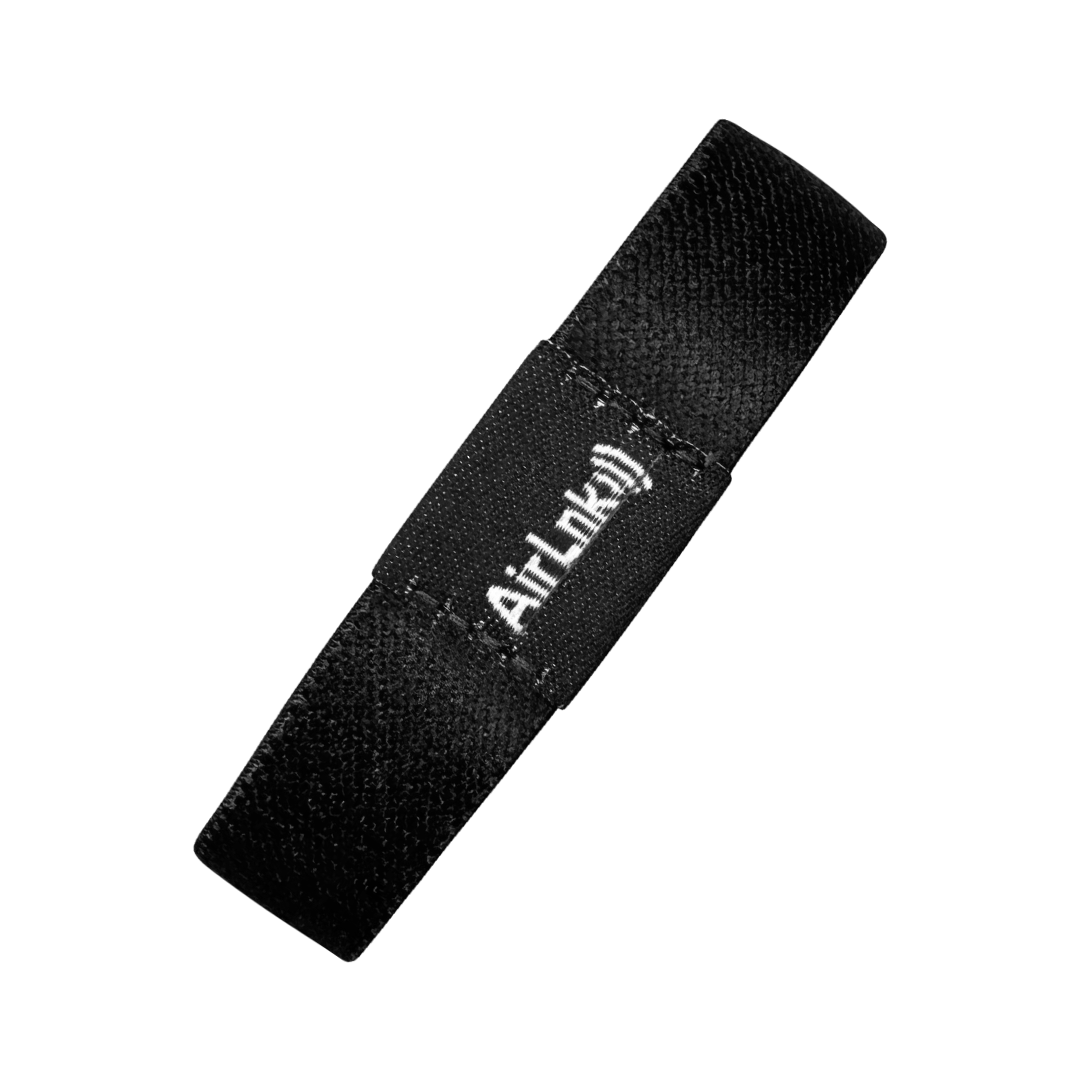
For the moment behind the bar specifically: a regular asks for your Instagram, or where you're working next month, while you have a shaker in one hand and a glass in the other. An AirLnk wristband is a soft woven fabric band with a stitched NFC patch. Hold your wrist still for a second; they bring the top back of their unlocked, NFC-enabled phone close to the patch, tap the notification, and your profile opens in their browser — no app for them, and they decide what to save. When you change bars, change the link in the AirLnk app and the next tap shows the new one.
AirLnk FAQ
Are tipping norms the same everywhere?
No. They vary by country, city and type of venue, and in some places service is included in the bill. The habits that earn better tips — attention, honest recommendations, a smooth finish — work everywhere.
Is it okay to ask guests for a tip?
Fishing for a tip or commenting on one tends to backfire, and some venues don't allow it. Earn it with the service and leave the amount to the guest.
Does upselling hurt tips?
Honest upselling helps: a pairing that genuinely suits what someone ordered raises the check and their trust. Pushing the most expensive item every time does the opposite.
How do servers get the better shifts?
By being the person a manager trusts: on time, side work done, calm with difficult tables, easy to work with. The busiest shifts and best sections usually go to those people.