
How DJs Get More Bookings
A lot of DJ bookings start with someone who was in the room: the venue manager, the wedding planner, the guest on the dance floor who's getting married next year. The set is the pitch. The hard part is being easy to book afterward.
The short answerPlay for the room, not for yourself, and be the most reliable person in the building. Keep a current mix and a simple one-sheet ready, specialize out loud, answer inquiries fast, and follow up with every booker after the gig.
Mobile DJs, wedding DJs and club DJs sell to different people — couples and planners, companies, promoters and venue managers — but the habits that fill a calendar overlap more than you'd think. Every one of those buyers wants the same thing: a great night they didn't have to worry about.
Play for the room, not your playlist
The venue manager watches the bar and the floor, not your track selection. The couple watches their grandparents and their college friends. The DJs who get rebooked read who's actually there and play for them: warming a room up without peaking too early, taking a request when it fits, noticing the moment a set needs to turn. Even the requests you don't play tell you what the room wants. If you're the opener, play like one. Warm-up DJs who leave room for the headliner get asked back.
Be the most reliable person in the building
Arrive early. Sound check. Bring backups for the things that fail — cables, a second source of music, a plan for when the venue's system is worse than promised. At a wedding, know the timeline cold — entrance, first dance, toasts, cake — and talk to the planner and the photographer before it starts so nobody gets surprised. Some venues ask vendors for proof of liability insurance; have it ready before anyone has to chase you for it. Venues remember the DJ who was never a problem, and that's the name they give when someone asks.
Keep a current mix and a simple one-sheet
Someone deciding whether to book you should be able to hear you and understand you in two minutes:
- A short, recent mix that sounds like the gigs you want — not your most experimental hour
- Clips from real events, with permission, showing a full floor
- Where you've played, what you're best at, and what you need — gear, space, power, set times
- A starting price, and how to check availability
Host the mix somewhere it won't be muted or taken down. Platforms handle copyrighted music in DJ mixes differently, and a dead link is a lost booking.
Specialize out loud
“DJ” competes with everyone who owns a controller. “Bilingual weddings,” “open-format nights for bars that want a dance floor by eleven,” or “corporate events that need someone who can also run the mic” competes with far fewer people. Pick what you're best at and say it everywhere you can be found. People book the DJ who sounds like they were made for their event.
Treat venue staff and other vendors as your network
Bartenders, managers, sound techs, planners, photographers, the other DJs on the lineup — these are the people who get asked “who should we book?” Learn their names, be easy to work with, share and tag their photos, and send work their way when you can. One planner who trusts you can do more for your calendar than a month of posting.
Answer inquiries fast and clearly
Couples and event organizers often contact several DJs at once, and the first clear answer tends to win: available or not, a price range, what's included, the next step. Ask the questions that change the quote before you send one — the venue, the guest count, the hours, whether they need ceremony sound or a mic for toasts. Have a simple contract and a deposit to hold the date, and confirm the details in writing. Clean paperwork is part of why people trust you with their night.
Follow up after every gig
Within a day or two, thank whoever booked you. Ask how they felt it went, ask about the next date while the night is still fresh, and if it went well, ask for a short review. Send a clip or two they can share. Keep a list of everyone who has booked you and check in before the busy season.
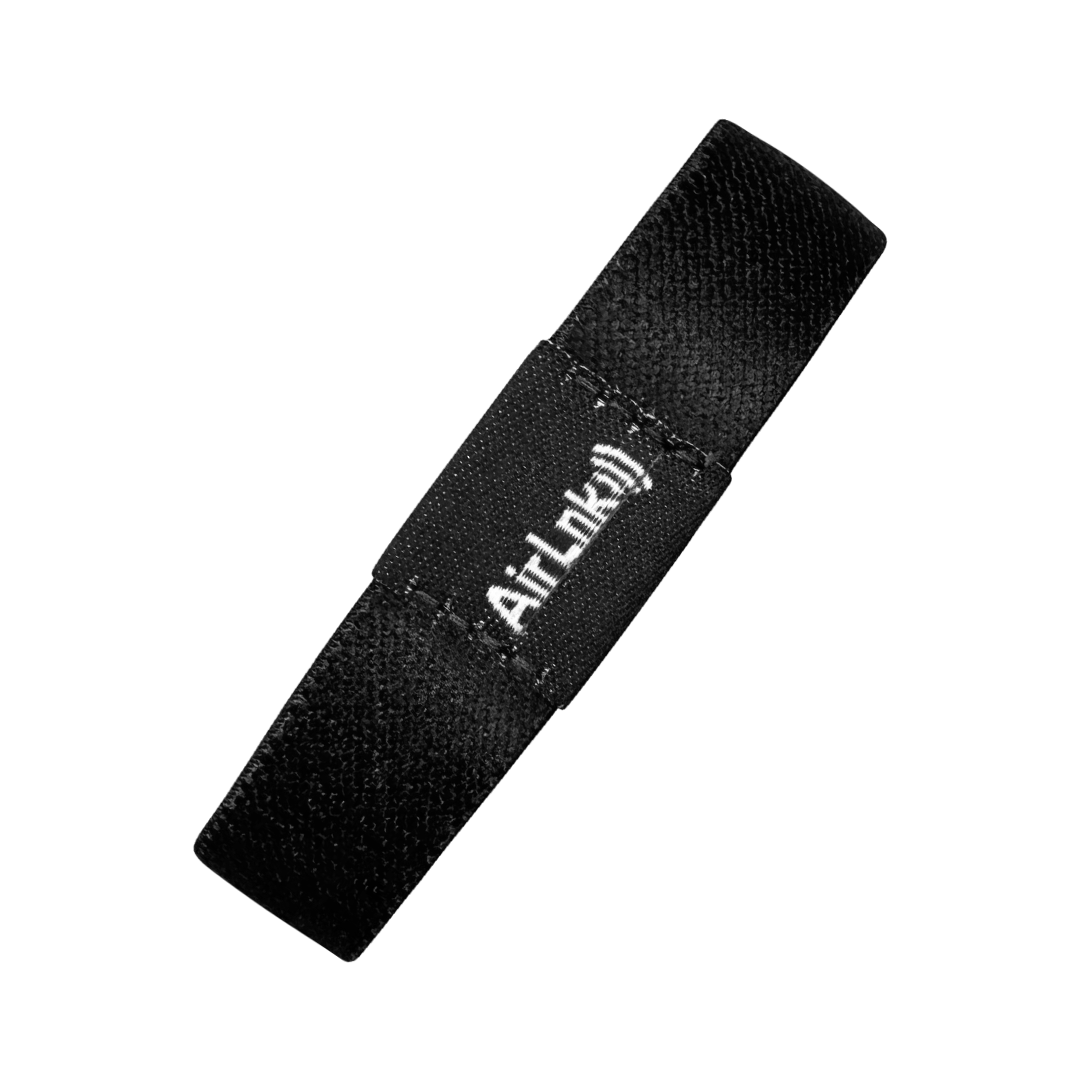
For the moment in the booth specifically: someone leans over to ask if you do weddings while you're mid-blend with a hand on the mixer. An AirLnk wristband is a soft woven fabric band with a stitched NFC patch. Keep your wrist still; they bring the top back of their unlocked, NFC-enabled phone close to the patch, tap the notification, and your profile opens in their browser — latest mix, booking link, Instagram. They don't need an app, they choose what to save, and when you upload a new mix you change the link once in the AirLnk app.
AirLnk FAQ
How do DJs get their first bookings?
Usually through people who have heard them play: small venues, friends' events, opening slots. Record your good sets, make a short mix of the kind of gig you want, and make it easy for anyone in the room to find you.
What should a DJ one-sheet include?
A short recent mix, a few clips from real events, where you've played, what you specialize in, your technical needs, a starting price, and how to check availability.
Should a DJ specialize?
It helps. A clear specialty, such as bilingual weddings or open-format bar nights, is easier for planners and venues to remember and recommend than “DJ for any event.”
How should a DJ follow up after a gig?
Thank the booker within a day or two, ask how it went, ask about the next date, request a short review if it went well, and send a clip they can share.