How to Network at a Career Fair (and Actually Get Called Back)
A career fair is a room full of people whose job that day is to meet you. It is easy to waste it drifting from table to table collecting pens. The people who get called back treat it as a handful of short, prepared conversations.
The short answerPick a short list of employers before you go, learn what each one is hiring for, and walk up with a ten-second introduction tied to that role. Ask one real question, get the recruiter's name and the best way to apply, take notes right after, and follow up within a day or two by name.
Before you go: pick your list
Career fairs usually publish the employers attending ahead of time. Pick five to ten you would genuinely want to work for, then spend fifteen minutes on each: what they do, which roles they are hiring for right now, where those roles are based, and one thing about them you find interesting. Put it on one page or in your phone.
Then plan a route. Visit one or two lower-priority tables first to warm up, before you reach the ones that matter.
Bring the right things
- Printed copies of your resume, in a folder so they don't bend. Some employers still take paper.
- Your resume as a link too, for recruiters who would rather not carry paper.
- A way for them to find you afterward: your LinkedIn, your portfolio and your email in one place.
- Something to take notes on between tables.
- Clothes one step more formal than the companies you are visiting.
The first ten seconds
Recruiters hear “Hi, I'm a junior studying business” all day. Give them something to place you with:
“Hi, I'm Maya. I'm finishing a degree in supply chain, and I saw you're hiring analysts for the distribution team — I'd love to hear what that team works on.”
Name, what you do, the specific role, and a question. It shows you did the research without reciting it, and it hands them the conversation.
If there is a line at the table, use it. Listen to what the recruiter tells the person ahead of you, and you'll know which questions they have already answered ten times today. Then shake hands, make eye contact, and don't open by asking for a job. You are there to start a conversation that ends with a clear way to apply, not to be hired on the spot.
Ask questions they don't hear all day
“So what does your company do?” tells them you didn't look. Better questions are about the work and the people:
- “What does the first year in this role actually look like?”
- “What do the people who do well on your team have in common?”
- “What's the best way to apply so it reaches the right person?”
- “Is there someone on the team I should talk to?”
The last two are the ones that get you called back. They turn a pleasant chat into a specific next step with a specific name attached.
Leave with their name, and leave them yours
Before you walk away, get the recruiter's name and how they would like you to follow up — email, LinkedIn, or the application portal with a note. Asking to connect on LinkedIn is a normal request at a career fair.
Make sure they can find you too. A resume in a stack of paper is hard to find again. A name, a face and a profile they opened at the table are easier.
Take notes between tables
Step aside after every conversation and write three lines: who you talked to, what they said about the role, and what you promised to do. By the fifth table the conversations blur together, and these notes are what make your follow-up specific instead of generic.
Note the small things too: the project they mentioned, the office they work from, the fact that they went to your school. One of those details, in the first line of your follow-up, is what makes a recruiter put a face to your name.
Follow up within a day or two
Send a short message to each recruiter you spoke with, ideally the next day:
- Their name and where you met: “Thanks for talking with me at the spring career fair on Thursday.”
- One thing they told you: “It was useful to hear how the analyst team works with the warehouse leads.”
- What you did next: “I applied for the analyst role this morning.”
Then apply properly, through whatever channel they told you. The conversation helps, but it rarely replaces the application. If you hear nothing after a week or so, one short, polite check-in is fine.
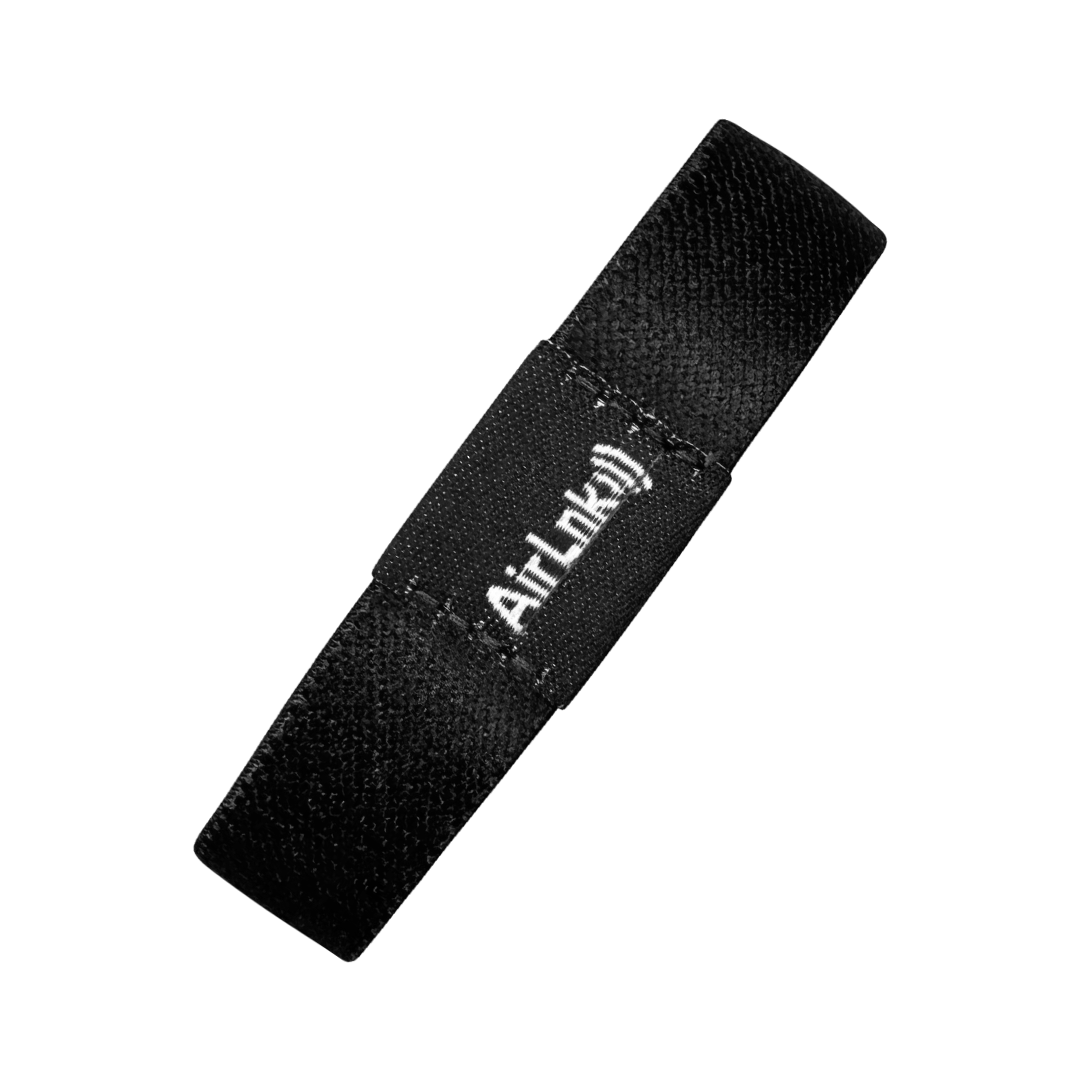
One small thing that helps at a busy table: an AirLnk wristband or card opens your profile — LinkedIn, resume link, portfolio, email — when a recruiter brings the top back of their unlocked phone near it and taps the notification. They choose what to open, and you never dig through a folder while someone waits.
AirLnk FAQ
What should I bring to a career fair?
Printed copies of your resume, a link to it, a way to share your LinkedIn or portfolio, something to take notes on, and a short list of employers you have researched.
What do I say to a recruiter at a career fair?
Your name, what you study or do, the specific role you are interested in, and a question about it. Ten seconds is enough.
How do I follow up after a career fair?
Within a day or two, message each recruiter by name, mention one thing they told you, and say what you did next — usually that you applied.
Should I connect with recruiters on LinkedIn?
Yes, if you ask at the table. Add a short note saying where you met.