
NFC Business Card vs Paper Business Card: What Actually Changes
The case for NFC cards usually starts with “paper is dead.” It isn’t. But a few specific things change when you swap one for the other, and it is worth knowing exactly which.
The short answerWhat changes is what happens after the handover. A paper card is fixed the day it is printed and easy to lose; an NFC card opens a profile you can update at any time, with room for every link. Paper still wins when the other phone cannot read NFC, or when handing over a card is the expected ritual.
Here is the comparison without the marketing: what changes for you, what changes for the person you meet, and where paper still does the job better.
What changes the day your details change
A paper card is correct on the day it is printed. After that it slowly becomes wrong — a new number, a new title, a new handle, a new website. Then you either hand out cards with crossed-out lines or order another box.
An NFC card does not store your details. It stores one link to a profile that lives online. Change the profile and the next tap shows the new version. The card in your wallet never goes out of date, because there is nothing on it to go out of date.
This is the single biggest practical difference, and it adds up: every job change, every rebrand, every new link you want people to see.
What the other person walks away with
With paper, they walk away with a rectangle. Its usual path is a pocket, a bag, a desk and eventually a drawer. To use it, they have to type your details into their phone themselves.
With NFC, they bring the top back of their unlocked phone close, tap the notification, and your profile opens in their browser. From there they choose what to open or save — your number, your Instagram, your booking page. The information is already on the device they use for everything else.
What they do not get is a physical reminder of you. That sounds minor; for some people it is the whole point of a card. A card on a desk is a nudge. A link is only a nudge if they act on it.
How much fits
Paper has room for a name, a title, a number, an email and maybe a website before it gets cramped. Every extra line makes the card worse.
A profile behind an NFC card has room for everything that matters to the person you are talking to: phone, email, socials, portfolio, booking link, payment link. You decide the order, and you can change it next week.
Cost over time
Paper is cheap per card and expensive per change. You pay again every time something on it changes, and you keep paying as you hand them out.
An NFC card costs more up front, but you hand over a tap, not the card, so the same card keeps working. If your details change often or you meet a lot of people, that math tips toward NFC. If you hand out a dozen cards a year and nothing about you changes, paper is fine.
Where paper still wins
- The other phone cannot read NFC. Apple documents tag reading without an app on iPhone XS and later, and Google documents Android phones reading tags when the screen is unlocked and NFC is on. Phones outside that — or with NFC switched off — will not respond. Paper works on everyone; a QR code is the NFC-side backup.
- The room expects the ritual. In some meetings, handing over a card is part of the greeting, and a phone tap feels off.
- You want them to keep something physical. A card on a desk is a reminder. A browser tab is easy to close.
- Nobody has a phone out. At a dinner or a formal event, paper is quieter.
Where NFC clearly wins
- Your details change — a new role, a new number, new links.
- You have more than one thing to share — a portfolio, socials, a booking link.
- Your hands are busy. A tap only needs their phone near your card or wrist.
- You want the follow-up to start on their phone, not in a pile of cards.
One more practical point: the tap is deliberate. The NFC Forum gives a typical range of up to 2 cm, so nothing happens unless someone chooses to bring their phone right up to the card.
The honest answer
If you meet people for a living, NFC is the better everyday tool, and paper survives for the rooms that expect it. Carrying both is not indecision. It is matching the object to the room.
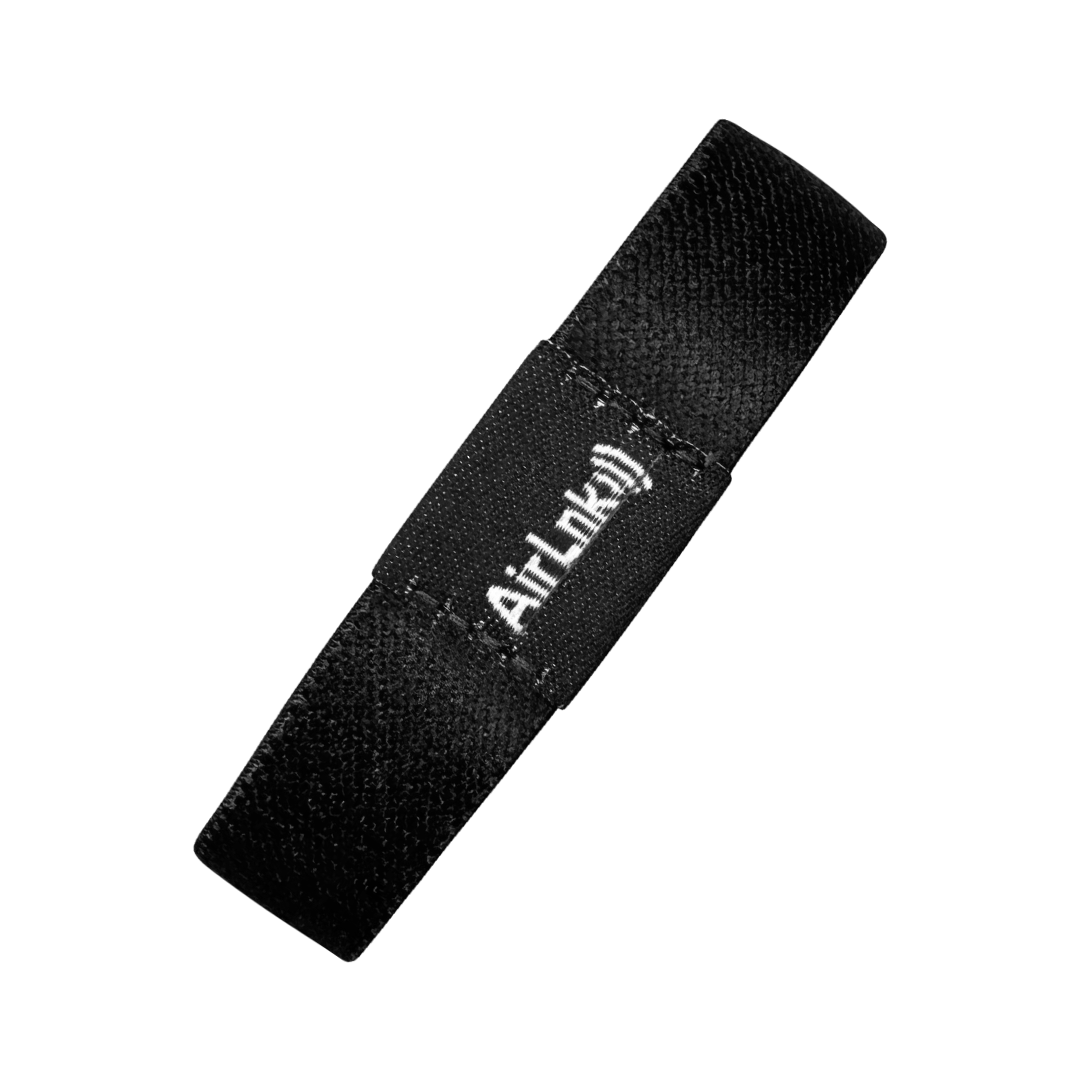
The AirLnk Smart Card is the direct swap for paper: a durable NFC card for your wallet that opens your profile from the AirLnk app, with as many links as you want and changes that show on the next tap. If your hands are usually busy when you meet people, the AirLnk Smart Wristband opens the same profile from a woven fabric band.
Everyone you meet lands in your Network in the app with the date you met — the part a stack of paper cards never gave you.
Sources
AirLnk FAQ
Are NFC business cards better than paper?
For keeping your details current and sharing more than a few lines, yes. Paper still wins when the other phone cannot read NFC or the room expects a printed card.
Do NFC business cards work with every phone?
No. They work with NFC-enabled phones that have NFC turned on. A QR code of the same profile covers the rest.
Do I need to reprint an NFC card when my details change?
No. The card holds a link; you change the profile and the next tap shows the new version.
Does the other person keep anything physical?
No — they keep what they choose to save on their phone. If you want them to hold something, carry a few paper cards too.